HPQ CEO Discusses First US$125,000 MiniMax Reservation and Commercialization Strategy
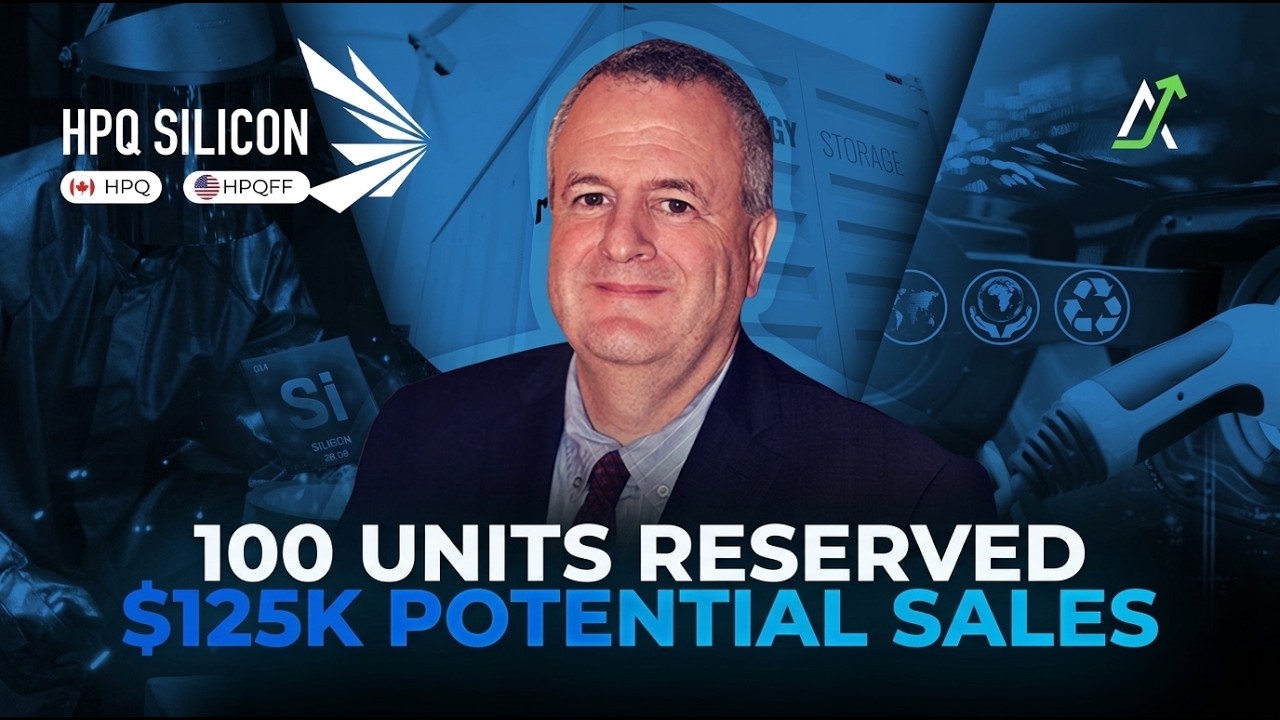
In a new interview, HPQ CEO Bernard Tourillon discusses the company’s first conditional purchase reservation agreement for 100 ENDURA+ MiniMax portable power systems, representing potential sales of US$125,000 (approximately C$180,000).
The agreement was secured just days after the product’s unveiling, providing an early indication of commercial interest in HPQ’s Gen4 battery-powered system.
Bernard shares additional insights into HPQ’s commercialization strategy:
✅ 1,000 to 3,000 units targeted: HPQ is aiming to sell between 1,000 and 3,000 MiniMax systems during its first 12 months of commercial operations, as production and distribution capabilities develop.
✅ Pre-orders planned for January 2027: HPQ expects to open reservations for individual customers while continuing discussions with potential buyers interested in larger quantities.
✅ Multiple commercial applications: Bernard identifies emergency response, civil security, mining operations, and remote outdoor activities as potential markets for the MiniMax.
✅ Capital-efficient commercialization: HPQ’s proposed manufacturing approach is designed to avoid substantial upfront capital expenditures, with initial financing requirements focused primarily on working capital and inventory.
By watching the interview, you’ll learn:
Why the first 100-unit reservation matters and how quickly the agreement developed following the product announcement.
How HPQ plans to reach its initial sales targets while expanding discussions with potential commercial customers.
What makes the MiniMax different, including its 1.95 kWh capacity and integration of 84 Gen4 21700 battery cells.
Why certification remains essential, with initial deliveries targeted for late Q1 or early Q2 2027.
How HPQ is transitioning from R&D toward commercialization, building on its existing battery-related sales activities.
A Closer Look at the Commercial Opportunity
One of the interview’s key discussions focuses on HPQ’s approach to generating revenue without requiring major manufacturing investments.
Bernard explains that the company does not anticipate needing substantial capital expenditures to begin commercializing the MiniMax. Instead, its initial capital requirements would primarily support working capital and inventory.
He also outlines HPQ’s internal objective of selling 1,000 to 3,000 units during the first 12 months, while emphasizing that certification and product readiness remain necessary before firm sales can proceed.
The discussion provides additional context on how HPQ intends to turn its battery technology into commercial products and establish new revenue opportunities.
WATCH THE FULL INTERVIEW: