
HPQ CEO Explains Why First GEN3 Defence Order Is a Major Commercial Validation
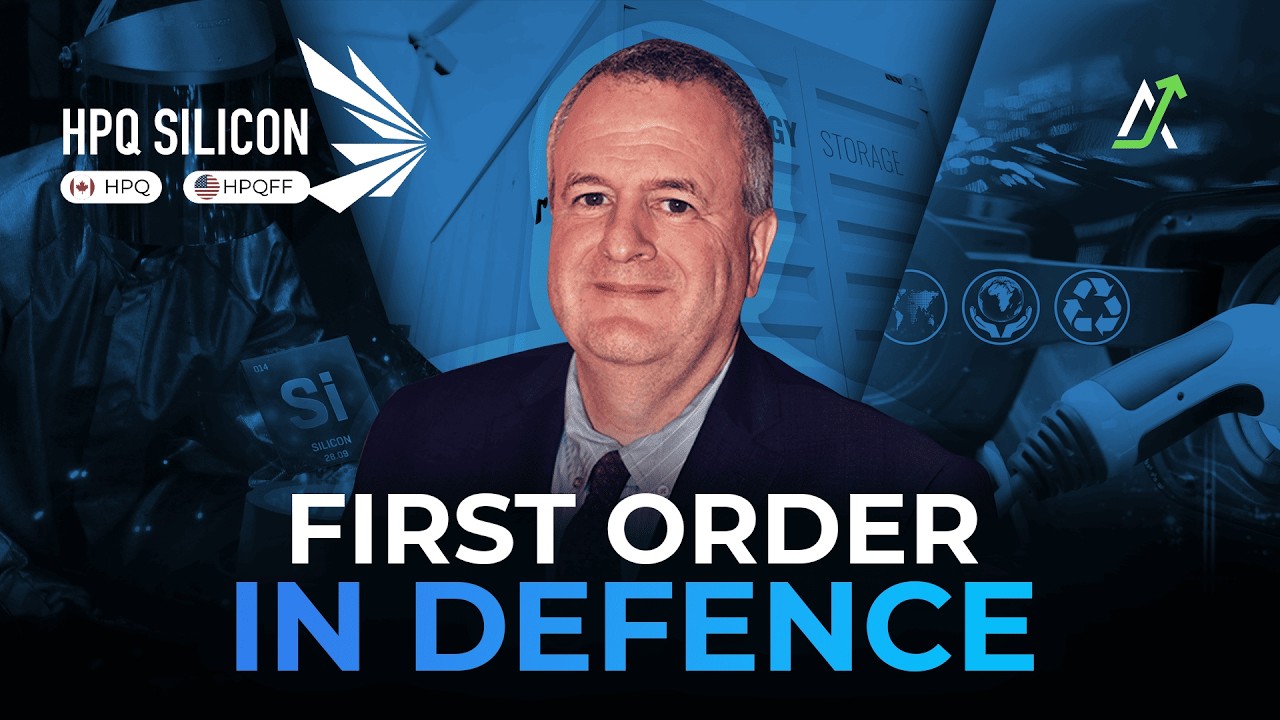
In a new interview, HPQ CEO Bernard Tourillon discusses what the company’s first commercial order for GEN3 battery packs destined for FPV drones for a French Army regiment means for HPQ’s battery strategy.
For Tourillon, the significance goes beyond the size of the initial order. After development, qualification and end-customer testing, someone has now tested the technology, accepted its performance and placed a commercial order.
Among the key points discussed:
✅ GEN3 has moved from validation to commercialization. Tourillon describes the order as an important validation of Novacium’s silicon-based anode technology and its ability to deliver the energy and power requirements demanded by FPV drone applications.
✅ HPQ is deliberately targeting higher-margin opportunities while capacity remains limited. Current silicon-anode material capacity is approximately one tonne per year, with Novacium targeting roughly three tonnes annually once its dedicated facility in France becomes operational.
✅ GEN3 and GEN4 could become complementary commercial platforms. Tourillon explains that GEN3 was selected because it met the customer’s specific requirements. Rather than GEN4 simply replacing GEN3, the two technologies could ultimately serve different performance requirements and applications.
By watching the interview, you’ll gain:
- Why HPQ considers this first order an important third-party validation of its commercialization strategy
- Why drone and defence applications fit HPQ’s current high-margin, capacity-constrained approach
- How the planned French production facility could expand material capacity and support future orders
- Why HPQ sees the French commercial reference as valuable when approaching North American defence customers
- How HPQ is thinking about scaling from approximately three tonnes of annual capacity toward its planned 50-tonne Canadian facility
- Why the relationship with LN Innov provides more than integration expertise, including access to established defence-sector relationships
Tourillon also discusses the broader strategy behind moving further down the battery value chain. Rather than relying solely on selling silicon-anode material, HPQ and Novacium are using finished cells and battery packs to demonstrate the technology’s commercial value directly in demanding applications.
As Tourillon put it, HPQ has spent the past several years showing each stage of the technology’s progression. With the first commercial order now secured, the company believes it has moved one step further along that path.
Watch the full interview here:
Your continued support is vital in driving our mission forward, and we remain dedicated to keeping you informed about our ongoing projects and achievements.