
HPQ CEO Says Fumed Silica Project Is Shifting From R&D Financing to Commercial Financing
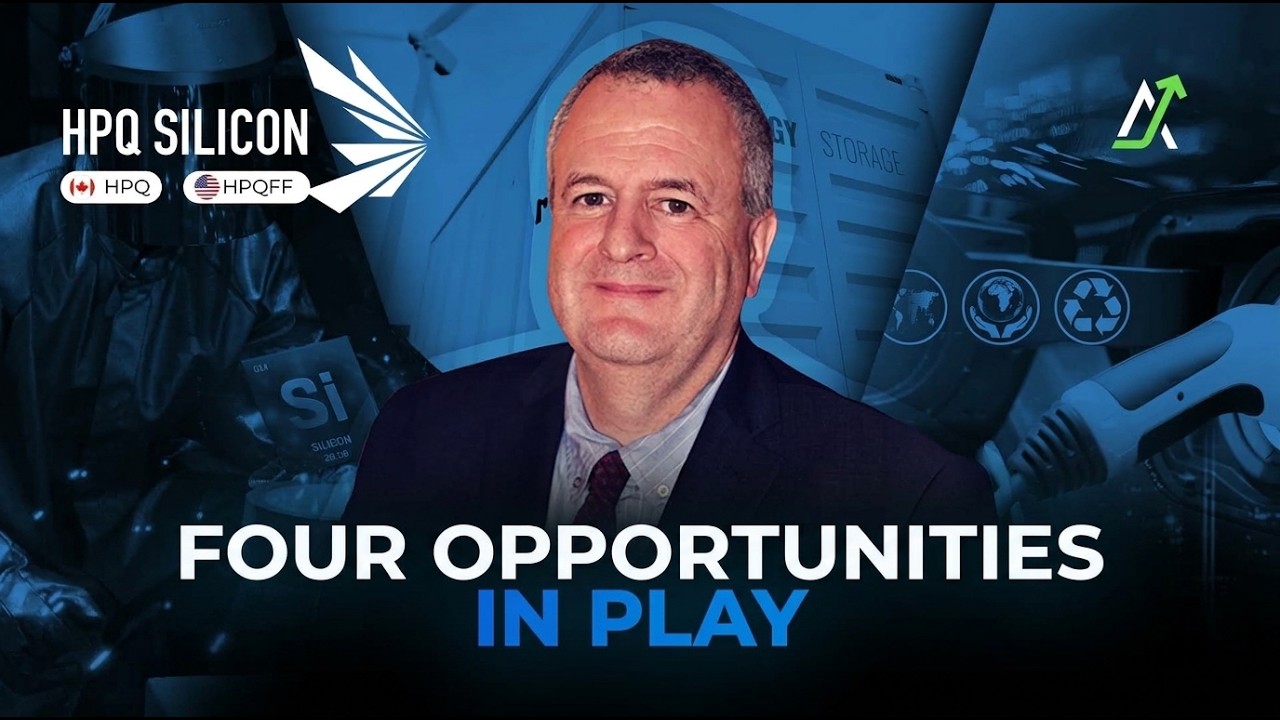
In a new interview, HPQ CEO Bernard Tourillon goes beyond the press release to discuss why the new 50/50 ownership structure of HPQ Silica Polvere with PyroGenesis comes at an important stage for the Fumed Silica Reactor (FSR) technology.
The transaction converts PyroGenesis’ previous 10% gross sales royalty into a 50% ownership interest, creating a simplified structure in which HPQ and PyroGenesis are now equally aligned around the development and commercialization of the FSR. Bernard explains that the structure also changes the economics: HSPI receives 100% of its revenue stream before profits are shared between its two shareholders, while future investment responsibilities are also shared.
The discussion also dives into the commercial activity now surrounding the technology. Four opportunities are currently being evaluated, including discussions with a global fumed silica producer, a proposed 1,000-tonne-per-year joint venture, a potential Asian customer evaluating North American production, and a potential Middle East production facility. Bernard also revealed that HPQ has additional opportunities in its own pipeline.
By watching the interview, you’ll gain:
✅ A clearer understanding of why eliminating the 10% royalty and moving to 50/50 ownership could simplify future commercial negotiations
✅ Bernard’s perspective on the economics of the new structure and why HPQ’s future investment requirement is effectively shared with PyroGenesis
✅ An update on the four preliminary commercial opportunities currently surrounding the FSR technology
✅ Insight into why HPQ believes larger 2,500 to 5,000 tonne-per-year systems could represent an economic “sweet spot” for the technology
✅ Details on a potential Asian opportunity where previously indicated demand could require several 10,000-tonne-per-year FSR systems, as well as a Middle East opportunity involving a potential facility of approximately 10,000 tonnes per year
✅ Why Bernard says the FSR program is now more mature and de-risked following completion of the pilot stage, production of commercial-grade 150 material, and further analysis of operating and cost data
The interview also looks ahead to financing commercialization. Bernard explains that future FSR financing is expected to increasingly take place at the HSPI level and that securing firm orders, offtake or pay-or-take agreements could create financeable commercial assets. As he puts it, the focus is shifting away from financing R&D and toward financing commercial operations.
Watch the full interview here:
Your continued support is vital in driving our mission forward, and we remain dedicated to keeping you informed about our ongoing projects and achievements.